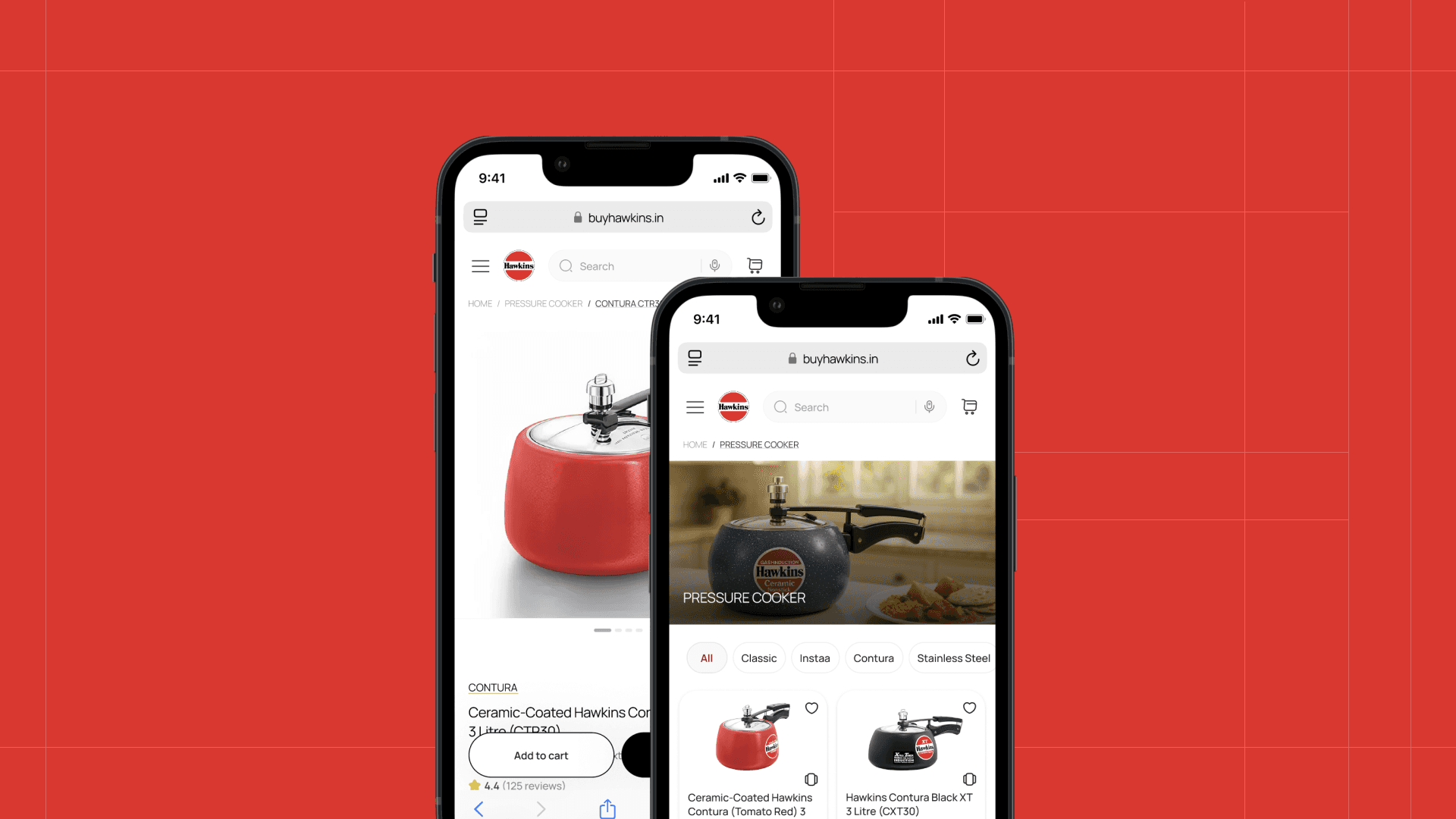
AI-Based Accounting Software
Industry
Fintech
Client
AskTriam/EMB
Platform
Web
Timeline
6 weeks
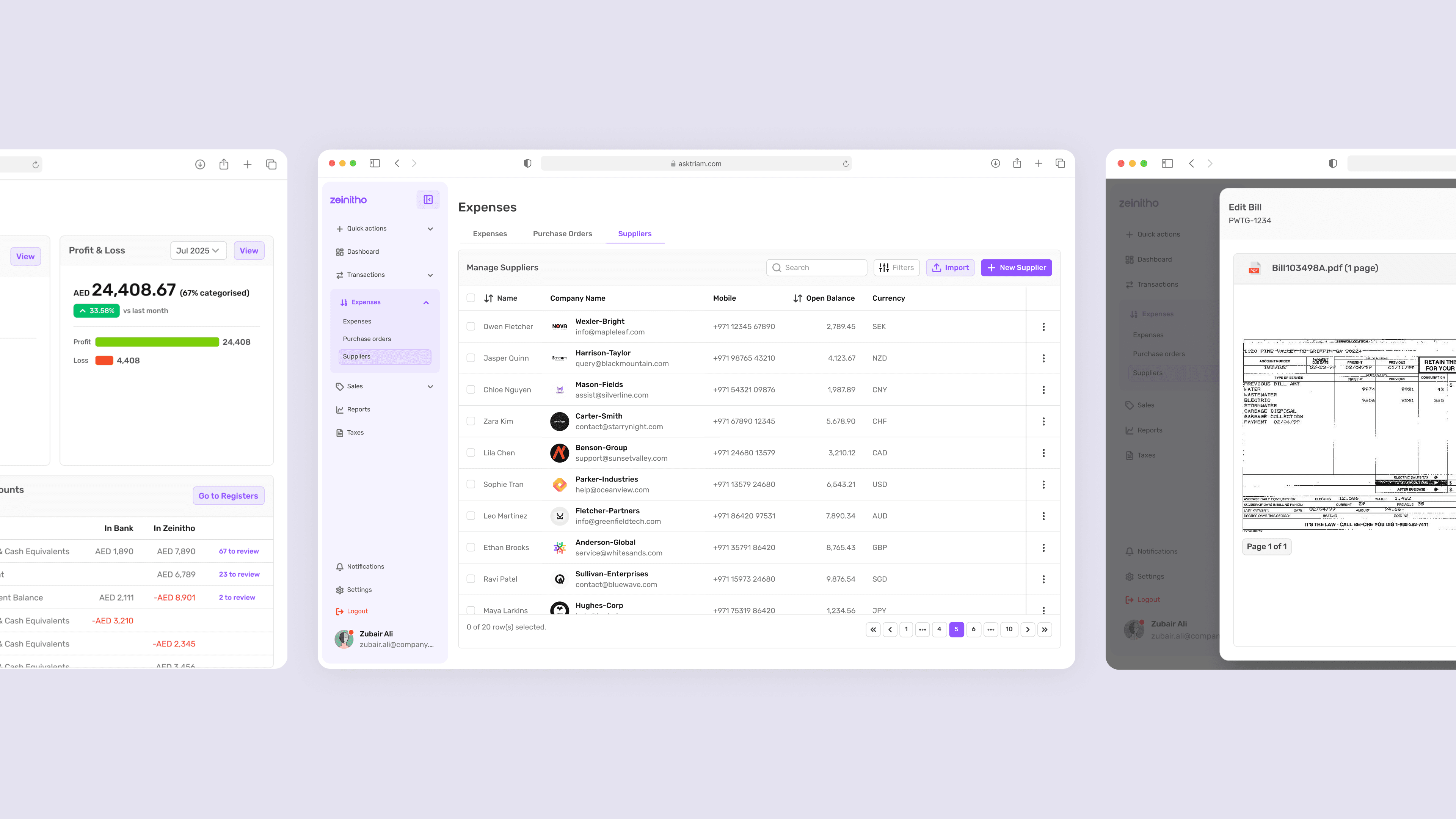
In-short, a little about the project…
AskTriam used a third party saas app for their accounting operations. The organization faced a business loss monthly due to some issues with a third party accounting tool.
Problems Faced
The organization relied heavily on QuickBooks, a third-party accounting tool, which introduced several business-level challenges:
High recurring licensing costs
Data security and ownership concerns
Limited flexibility to customize workflows
Lack of OCR feature
While the tool worked functionally, it did not align well with internal processes, scalability goals, or control requirements.
Who are the users that will use this tool?

Accountant
Manages daily accounting operations such as invoices, bills, expenses, transactions, and journal entries

Admin
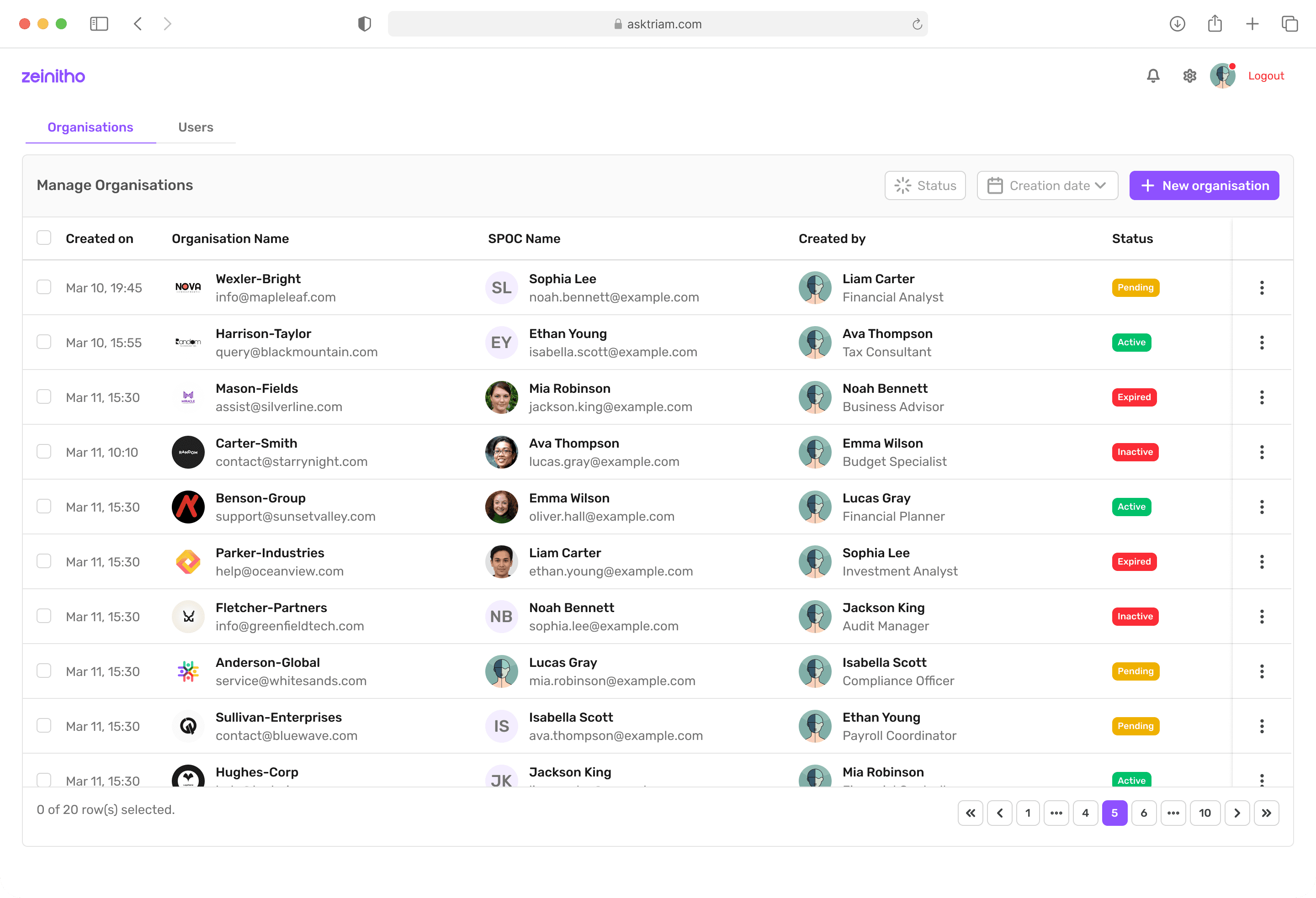
Configures organizational settings, taxation rules, and account structures

Organisation SPOC
Oversees reports, ledgers, and overall financial visibility
Constraints & Requirements
Business Constraints:
The project required an understanding of core accounting concepts and terminology, though no heavy regulatory or compliance constraints were involved.
Technical Constraints:
The product had to be designed using an existing design system, with only minimal flexibility to introduce new components or visual changes.
Time & Scope Constraints:
The project followed a fixed timeline of 6 weeks.
The scope was clearly defined as an MVP, focusing on core accounting and account management workflows.

Design Process
Understanding requirements
The project began with a comprehensive set of user stories provided by the Business Analyst.
User stories (Module-wise).xls
To ensure clarity and alignment, I had frequent discussions with the PM and BA.
As part of domain understanding, I also reviewed tools like QuickBooks. While powerful, its UI often required training and felt complex—highlighting the opportunity to design a more streamlined, internally focused solution.
Breaking down the system
The platform was structured into independent but interconnected modules, each addressing a specific accounting function.
This modular approach allowed the MVP to focus on critical accounting workflows first, while remaining scalable for future expansion.
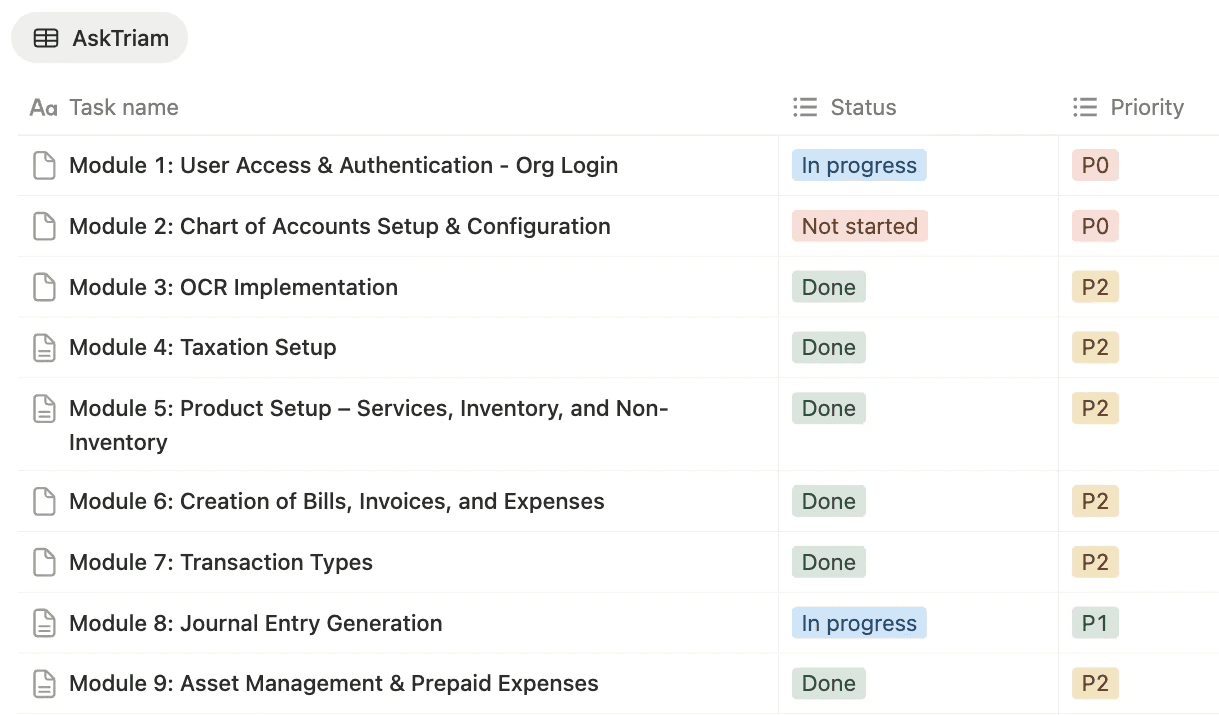
notion screenshot
Design execution
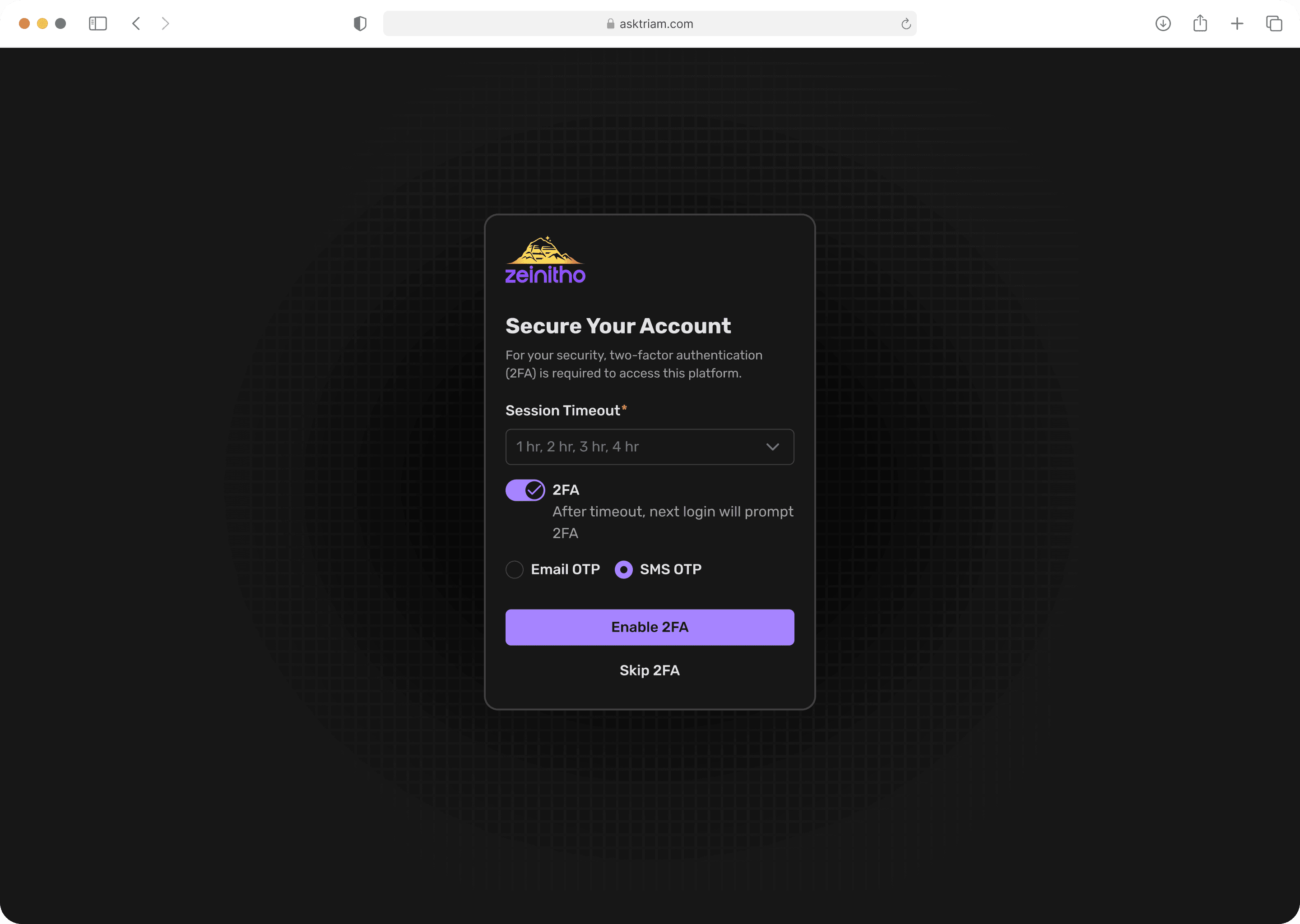
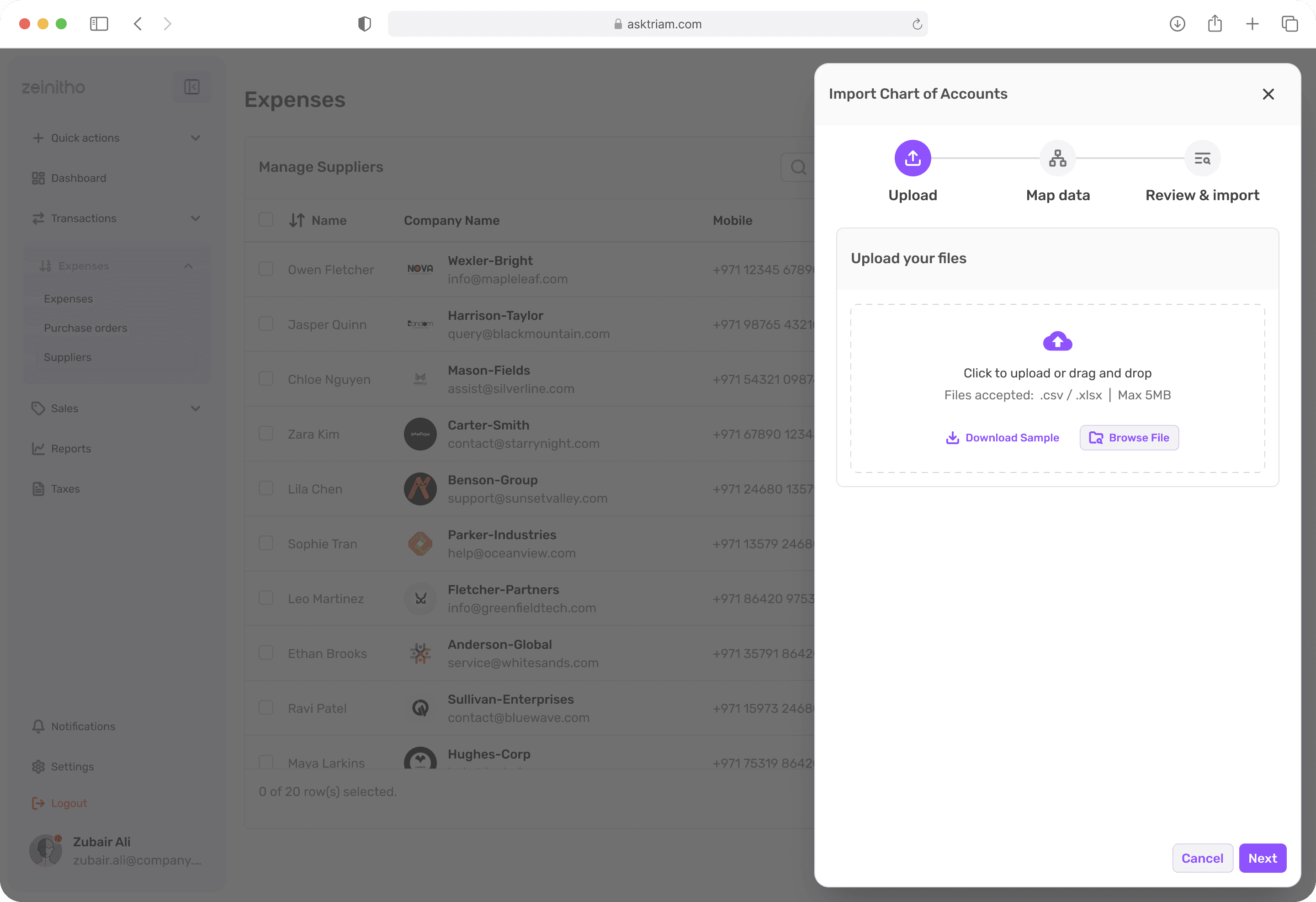
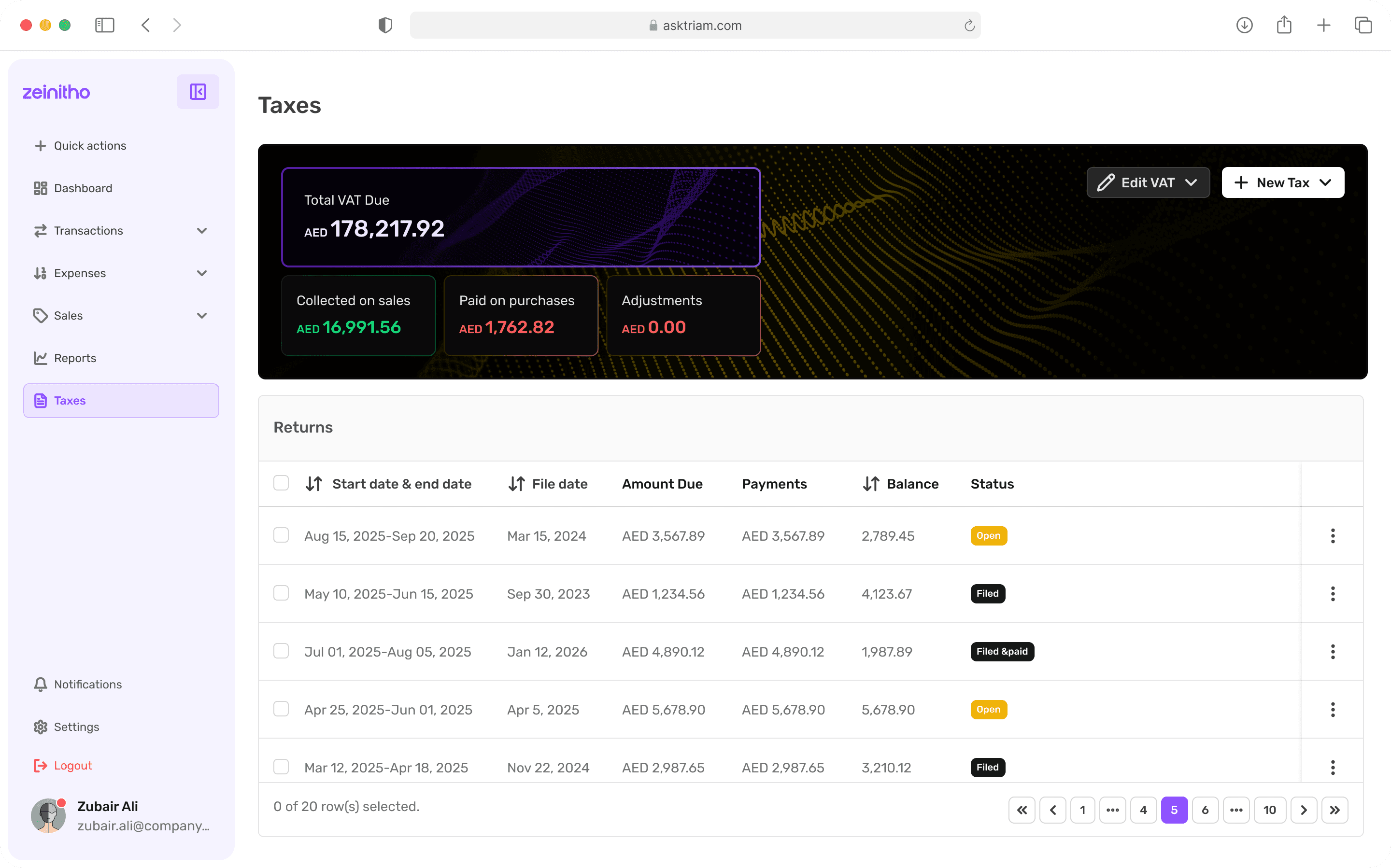
Based on the approved user stories, I created clear user flows to map how different roles interacted with the system across modules.
Prototyping & hand-off
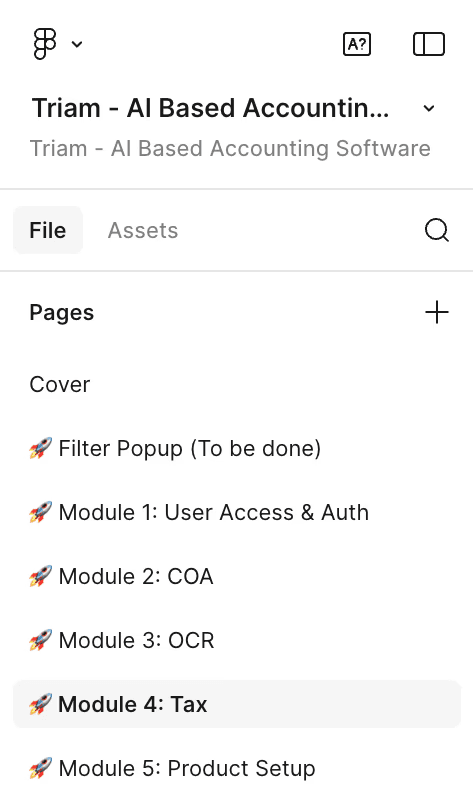
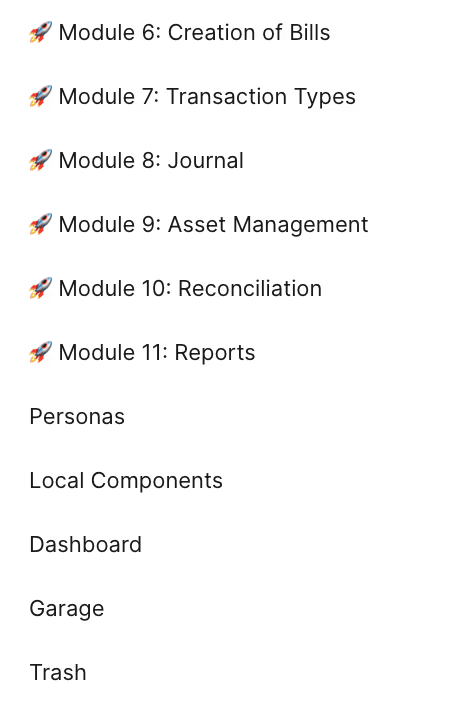
Handoff was managed through:
• A structured Figma file
• Regular walkthrough calls with developers to explain flows, interactions, and edge cases
Key Design Decisions
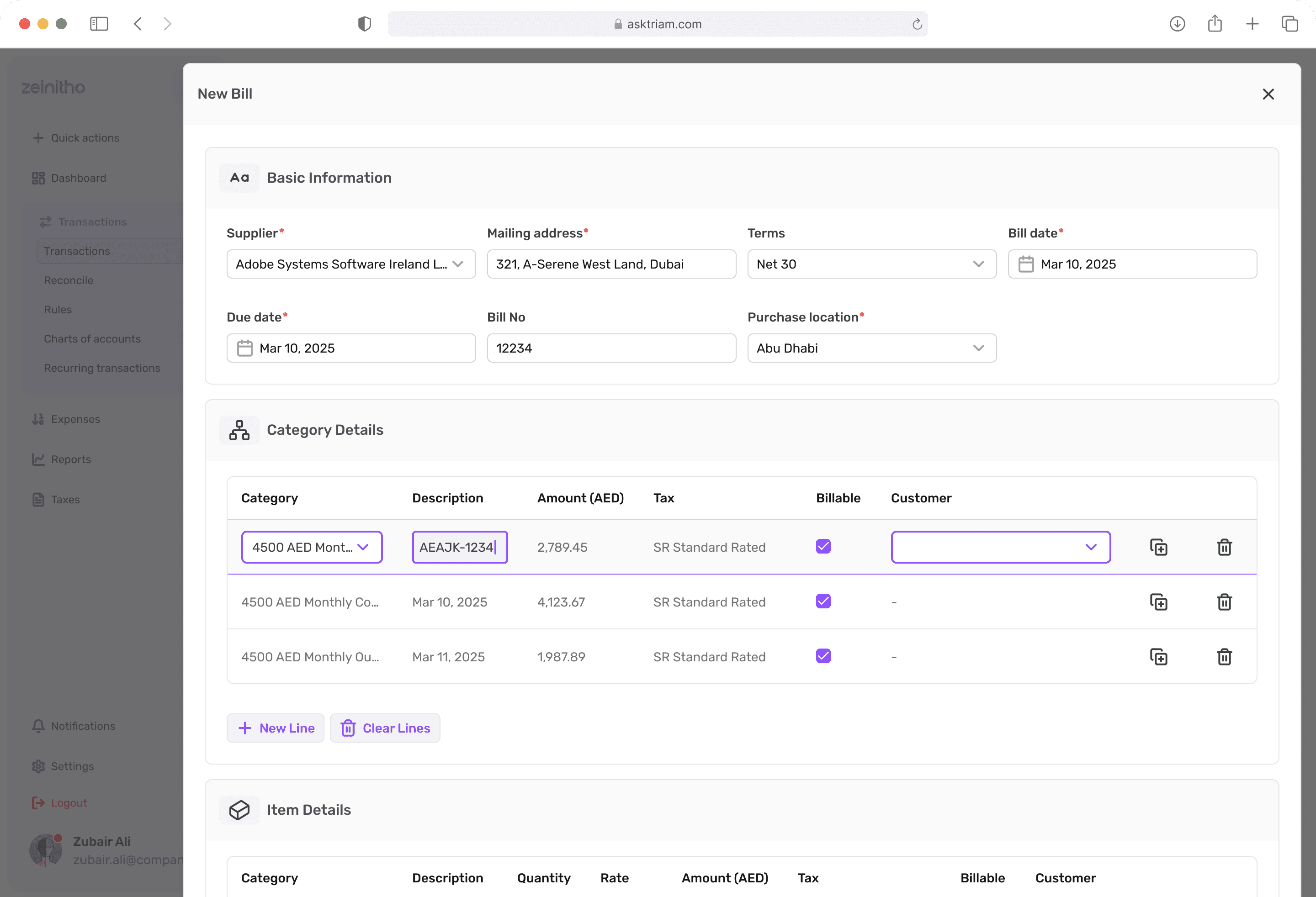
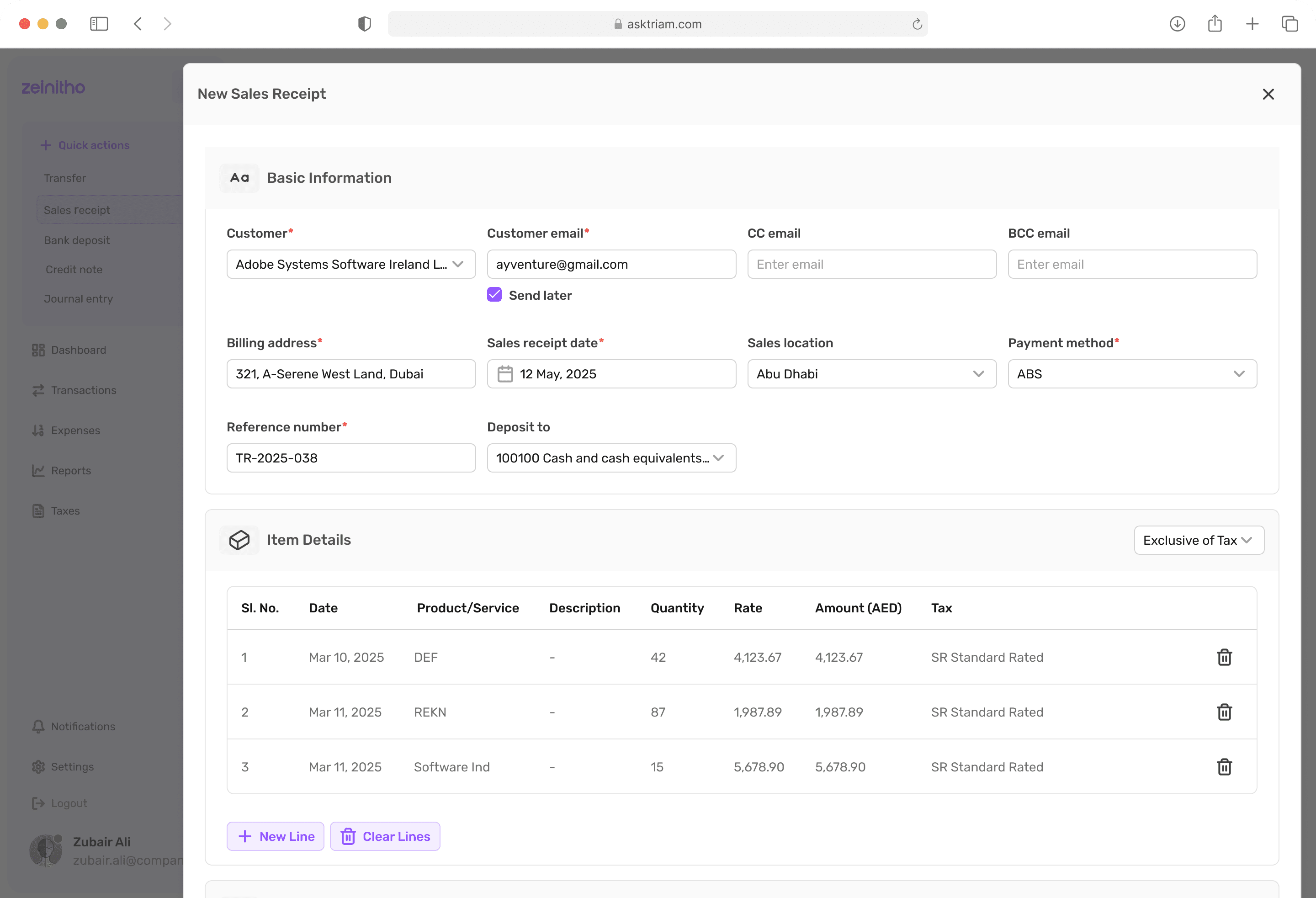
Standardized accounting workflows
Accounting actions such as creating invoices, bills, expenses, and transactions followed a consistent structural pattern across modules.
This reduced the learning curve for users moving between different accounting tasks and minimized the need for training.
Creating new bill
Creating new sales receipt
Creating bank deposit
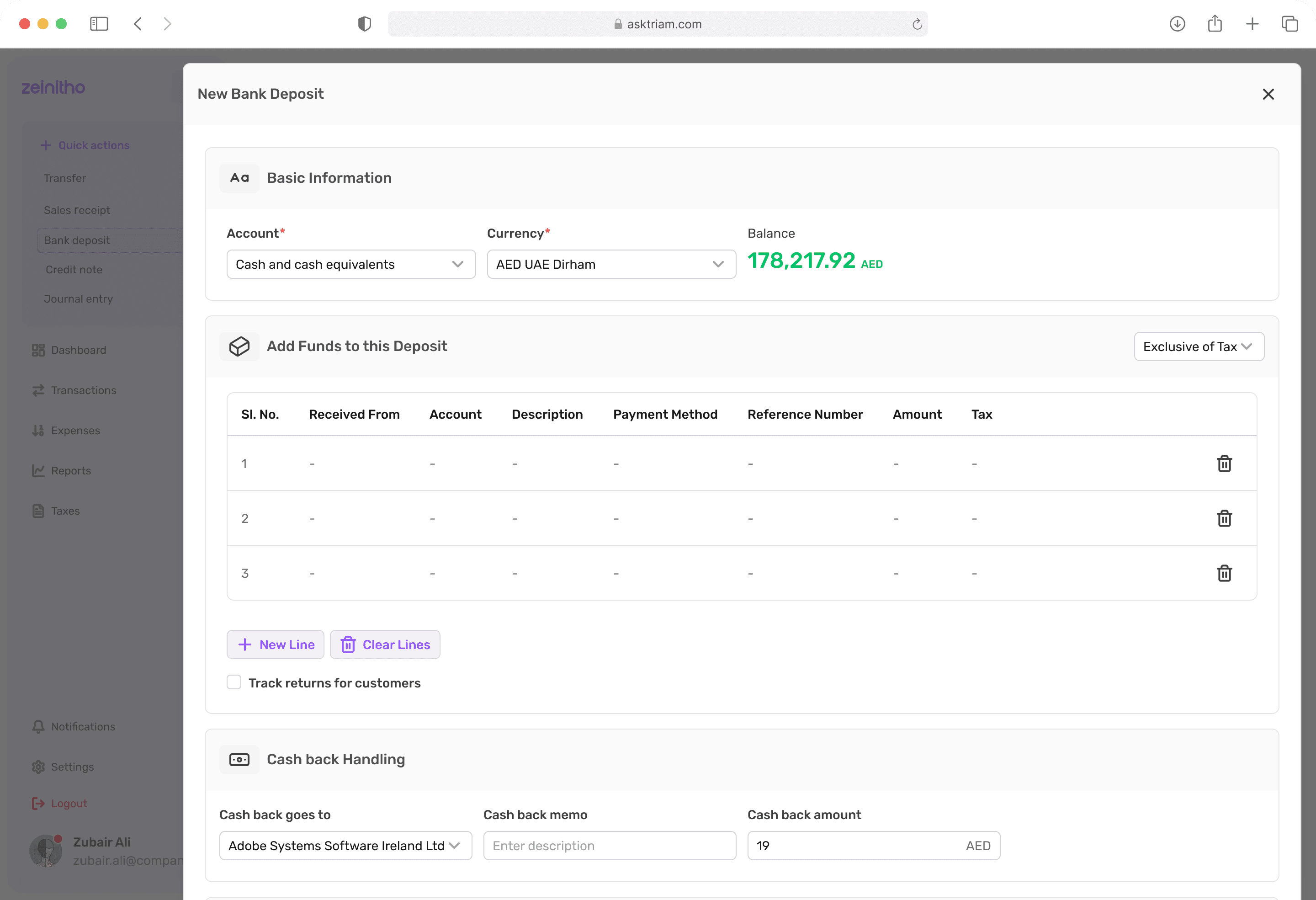
Consitency is the key
Simplifying Data-heavy screens
Many accounting screens involved large tables and dense financial data. To improve readability and usability:
Critical information was surfaced upfront
Repetitive metadata was visually de-emphasized
Table structures were kept consistent across modules
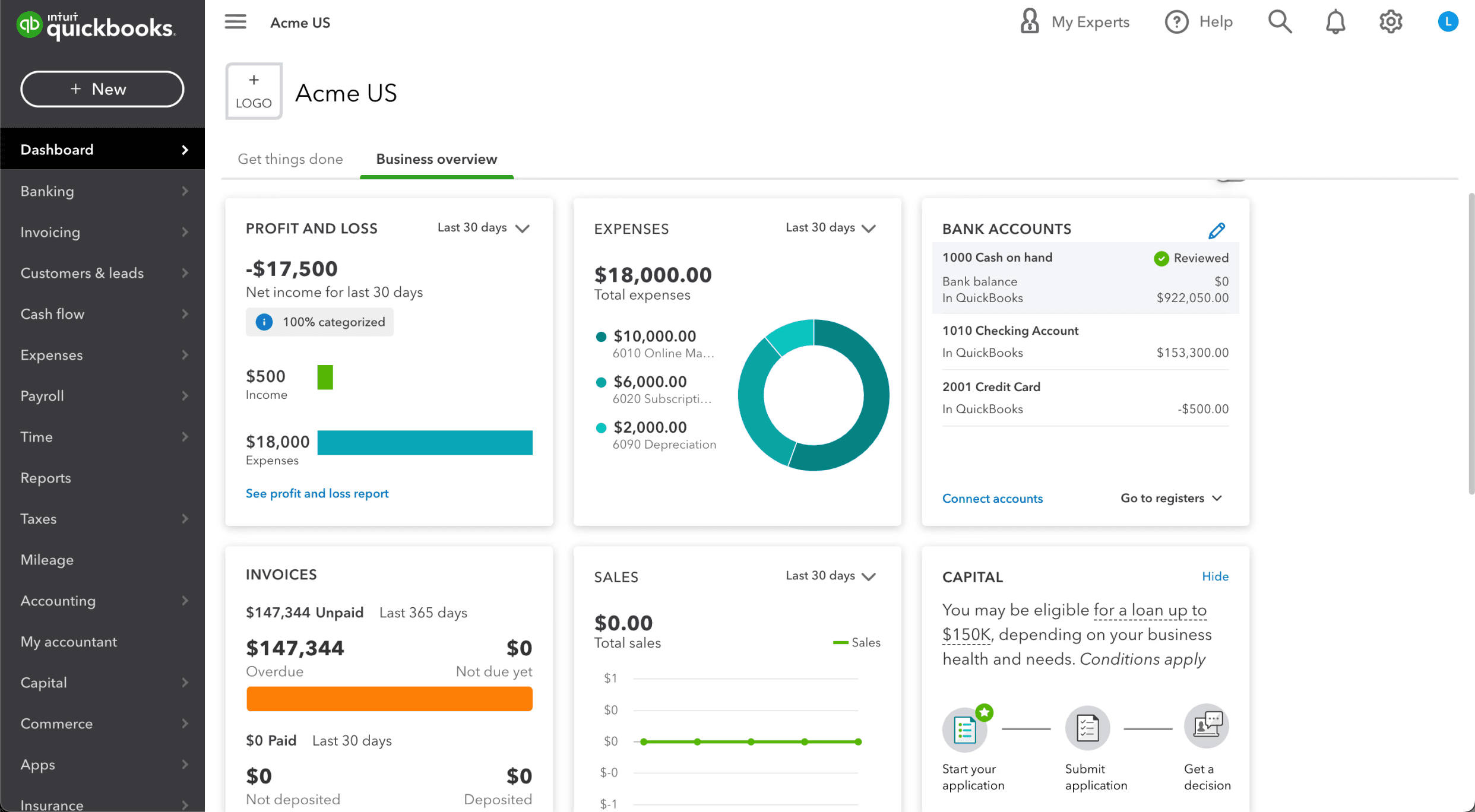
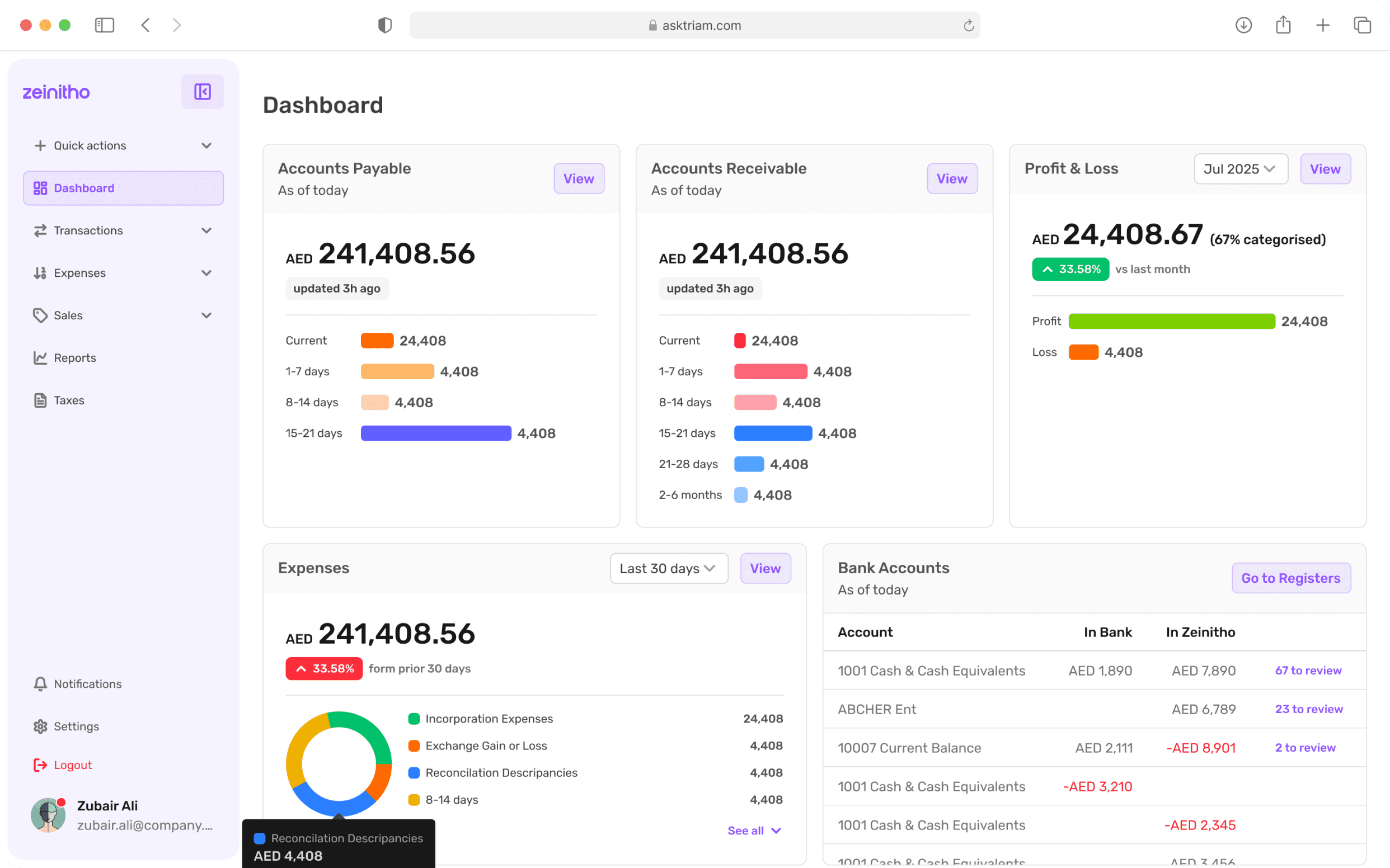
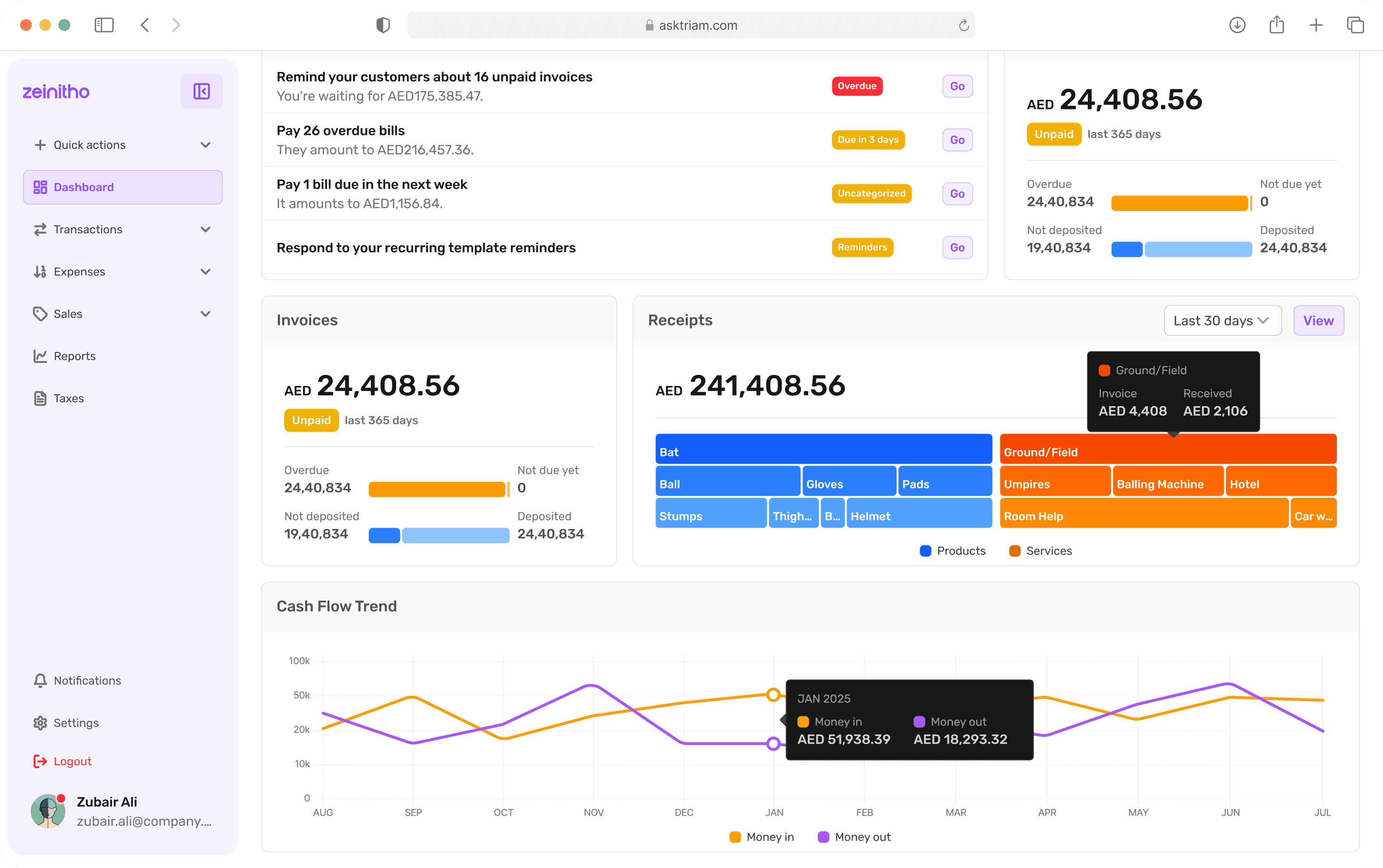
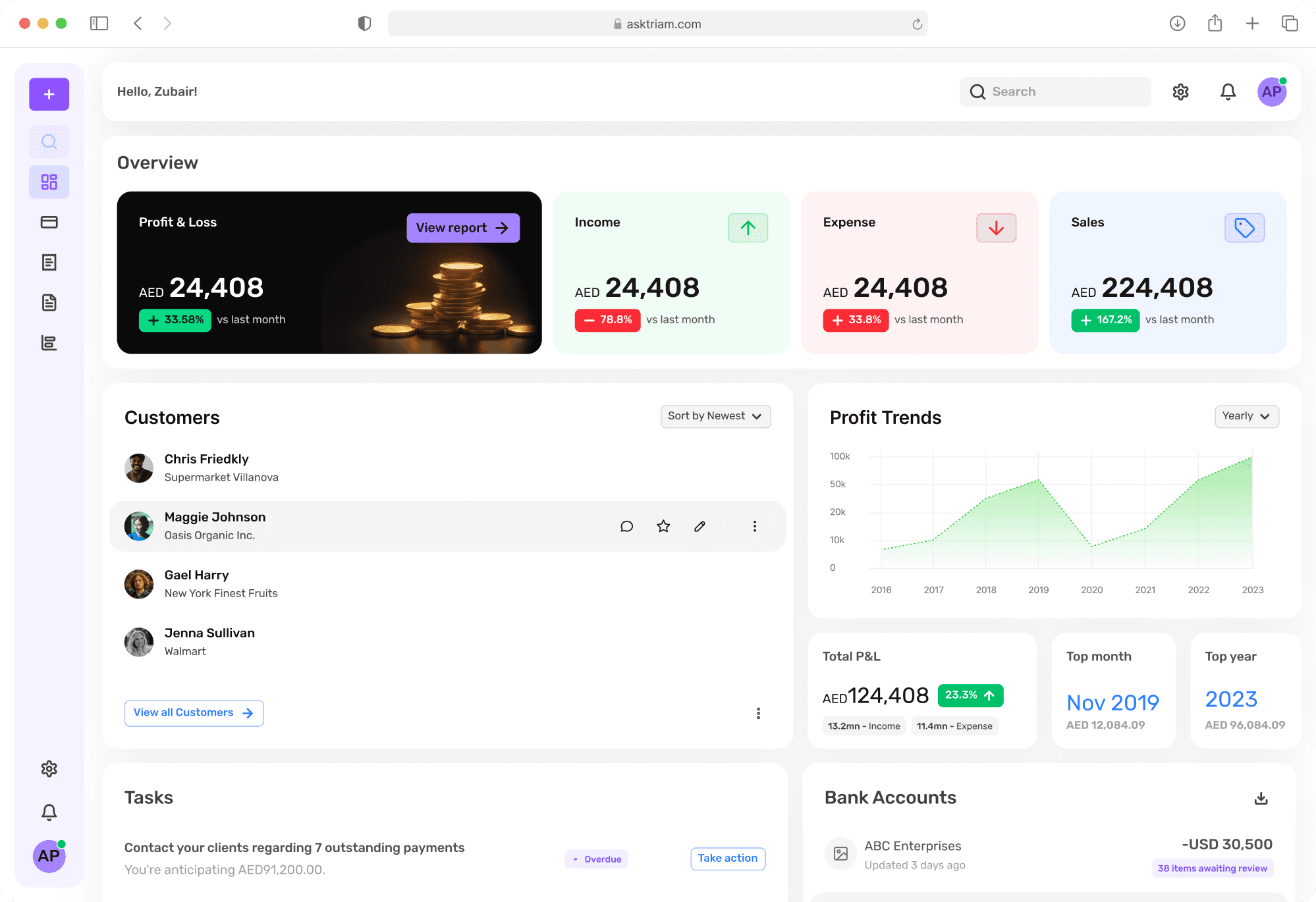
Admin dashboard
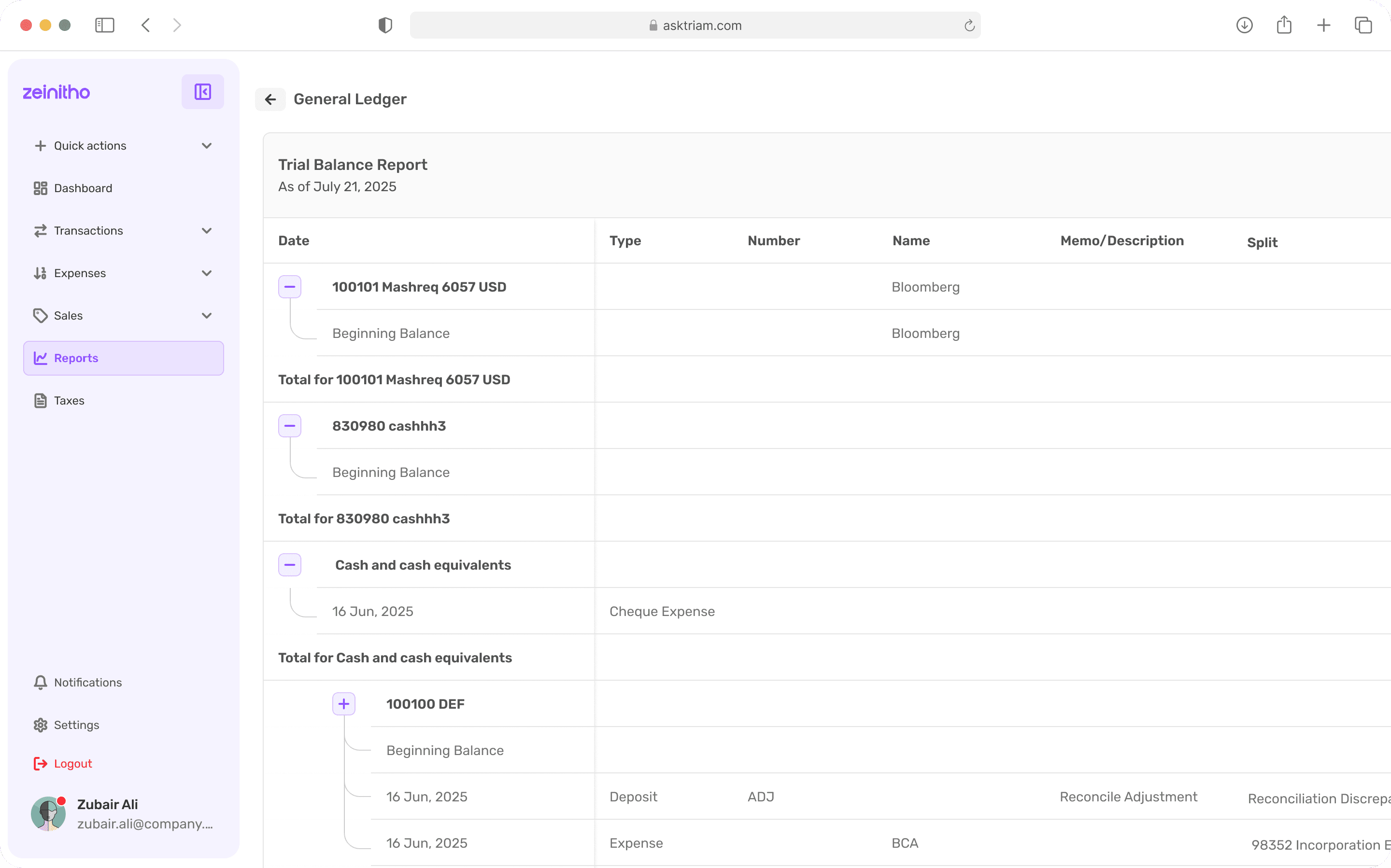
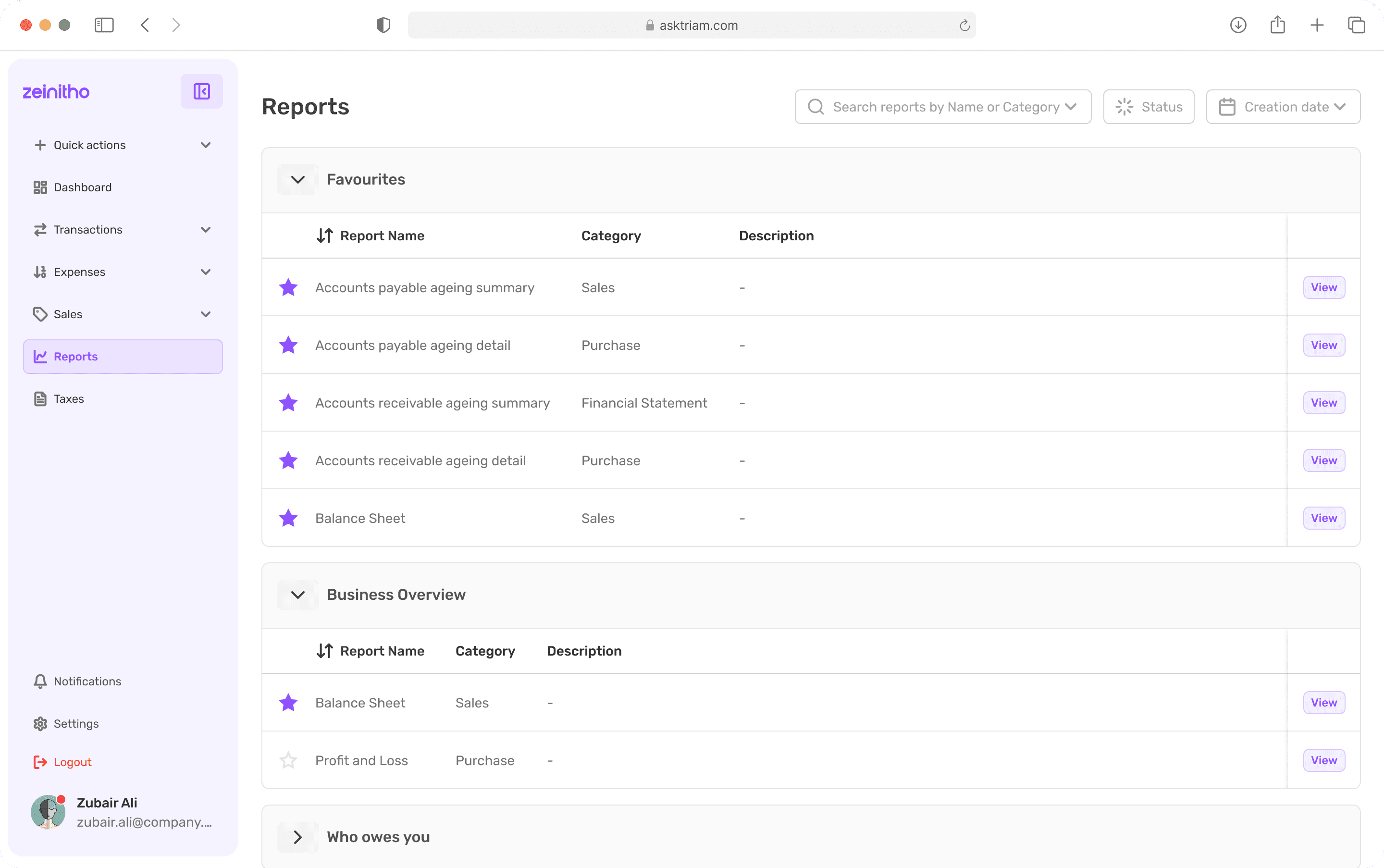
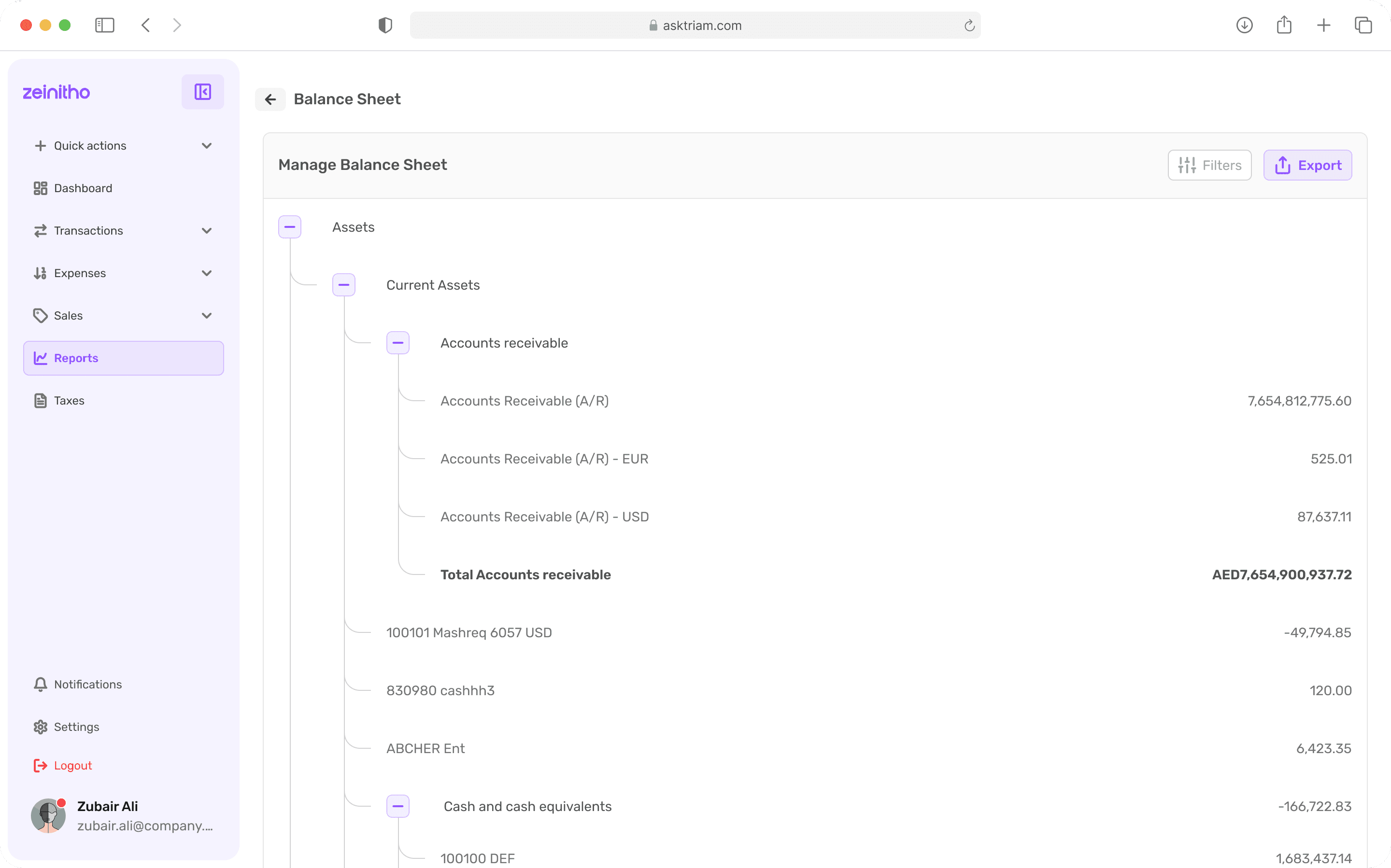
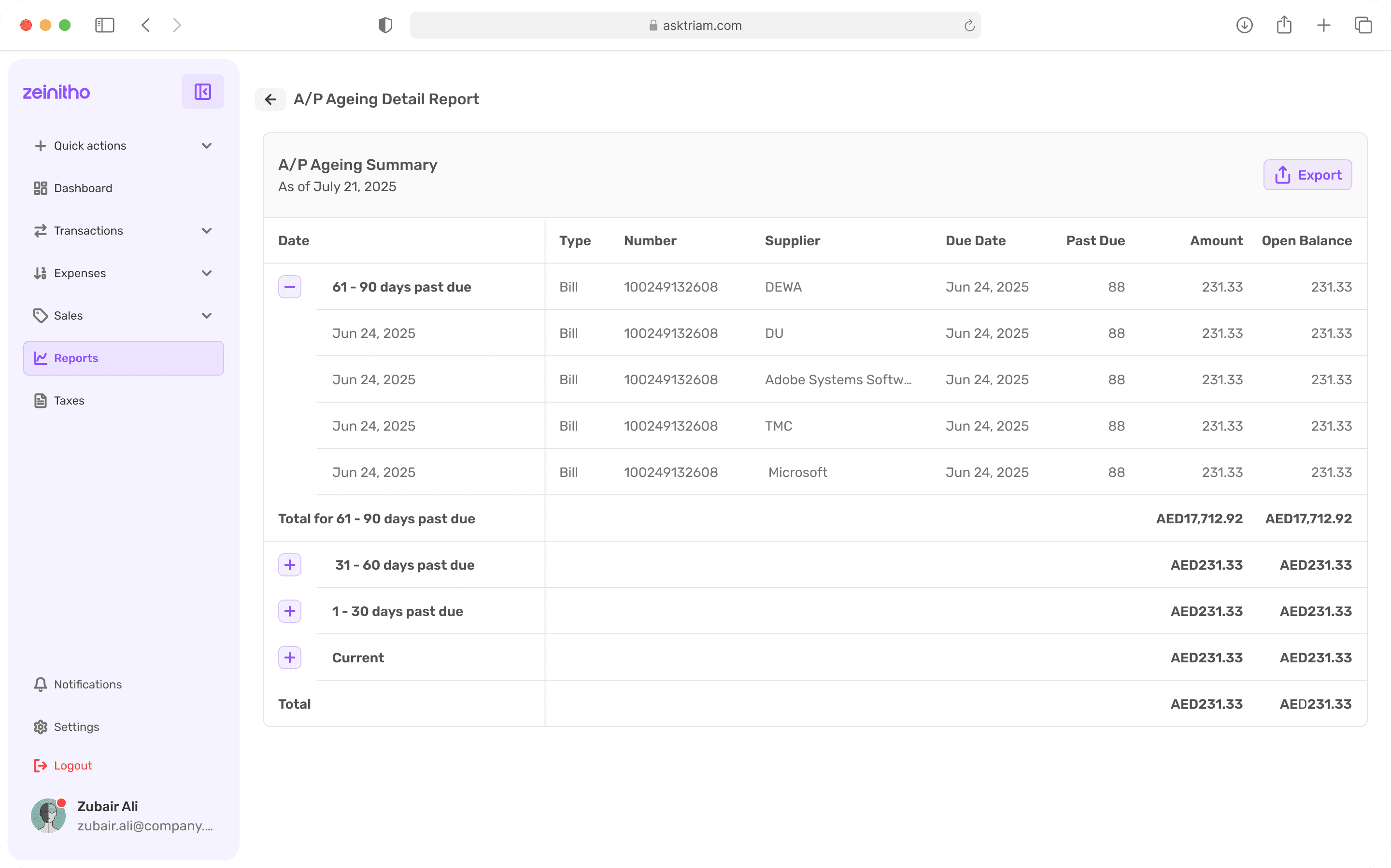
Complex reports
What did we achieve?

$ 10726
Money saved annually by using the in-house accounting software.
~95%
Time saved on uploading one single bill manually
100%
In-house customisations

My learnings
This project strengthened several key product design skills:
Designing effectively with strict, pre-defined requirements
Collaborating closely with Business Analysts and Product Managers
Gaining hands-on exposure to accounting systems and workflows
Designing and managing large-scale, modular systems
Further improvements
With more time, I would focus on:
Refining error handling and edge cases
Exploring deeper AI-assisted interactions such as OCR-driven data entry and smart suggestions